Transcranial Magnetic Stimulation (TMS) Therapy
Advanced Brain Optimization for Patients Seeking Real Medical Solutions
Hospital-grade brain stimulation without medication, anesthesia, or downtime
Transcranial Magnetic Stimulation (TMS) Therapy
A Non-Invasive Way to Stimulate and Rebalance Brain Networks
TMS uses focused magnetic pulses to gently stimulate specific cortical regions involved in mood, cogni2ion, and executive function—without medication and without sedation. Sessions are performed in a comfortable chair while you remain awake and alert.
TMS Therapy is commonly used to:
Major depressive symptoms
Anxiety and stress dysregulation
Brain fog and cognitive slowdown
PTSD patterns and emotional reactivity
Focus, clarity, and executive function
Sleep regulation
Neuroplastic recovery after chronic stress
Medical Director: Prof. Dr. Bankole A. Johnson • Private & Confidential • Imaging Review Available
A Non-Invasive Way to Stimulate and Rebalance Brain Networks
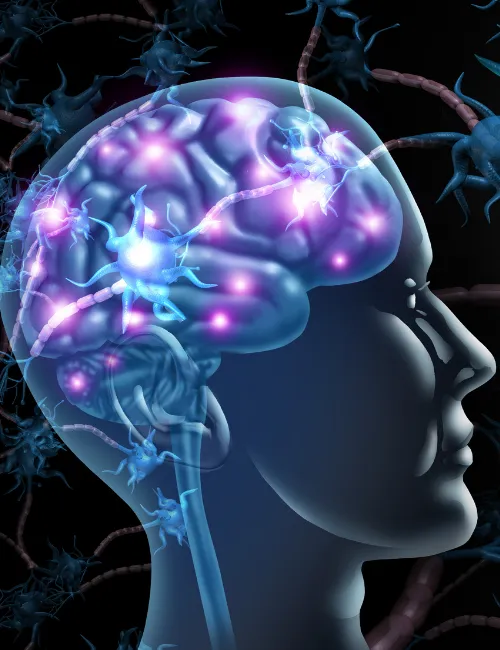
TMS uses focused magnetic pulses to gently stimulate specific cortical regions involved in mood, cogni2ion, and executive function—without medication and without sedation. Sessions are performed in a comfortable chair while you remain awake and alert.
TMS Therapy is commonly used to:
Major depressive symptoms
Anxiety and stress dysregulation
Brain fog and cognitive slowdown
PTSD patterns and emotional reactivity
Focus, clarity, and executive function
Sleep regulation
Neuroplastic recovery after chronic stress
Medical Director: Prof. Dr. Bankole A. Johnson • Private & Confidential • Imaging Review Available
How TMS Works
Magnetic pulses pass painlessly through the scalp and skull to activate underactive neural circuits—most commonly the left dorsolateral prefrontal cortex (DLPFC). Repeated sessions promote neuroplasticity, helping the brain re-establish healthier signaling patterns over time.
What Patients Commonly Notice
Brighter mood and emotional steadiness
Clearer thinking and improved focus
Reduced stress reactivity
Better sleep patterns
Increased motivation and energy
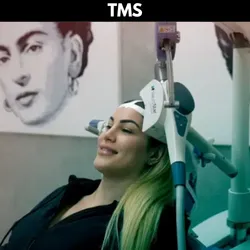
Magnetic pulses pass painlessly through the scalp and skull to activate underactive neural circuits—most commonly the left dorsolateral prefrontal cortex (DLPFC). Repeated sessions promote neuroplasticity, helping the brain re-establish healthier signaling patterns over time.
What Patients Commonly Notice
Brighter mood and emotional steadiness
Clearer thinking and improved focus
Reduced stress reactivity
Better sleep patterns
Increased motivation and energy
Improvements often build progressively across sessions as neural pathways adapt.
Complementary Therapies That Enhance Your TMS Results
Brain mapping and clinical intake assessmentotocols
Symptom profiling and goal targeting
Progress tracking with plan adjustments based on response
Extracorporeal Blood Oxygenation and Ozonation (EBO) for circulatory and oxygenation support
Photobiomodulation (red-light therapy) for cellular support
Targeted nutrient and mitochondrial support pr
Complementary Therapies That Enhance Your TMS Results
Brain mapping and clinical intake assessmentotocols
Symptom profiling and goal targeting
Progress tracking with plan adjustments based on response
Extracorporeal Blood Oxygenation and Ozonation (EBO) for circulatory and oxygenation support
Photobiomodulation (red-light therapy) for cellular support
Targeted nutrient and mitochondrial support pr
Frequently Asked Questions
Transcranial Magnetic Stimulation (TMS) Therapy
What is TMS?
TMS is a non-invasive neuromodulation therapy that uses targeted magnetic pulses to stimulate underactive regions of the brain involved in mood, cognition, and neural regulation—most commonly the left dorsolateral prefrontal cortex.
What conditions can TMS help with?
TMS is FDA-cleared for:
Major Depressive Disorder (MDD)
Obsessive Compulsive Disorder (OCD)
Smoking cessation
Migraine with aura
Clinically, it is also used off-label for anxiety, PTSD, cognitive decline, and performance optimization when guided by experienced providers.
How does TMS work?
Magnetic pulses pass painlessly through the scalp to activate neurons and promote neuroplasticity—helping the brain form healthier signaling patterns without medication.
Is TMS safe?
Yes. TMS is considered very safe and well-tolerated. The most common side effects are mild scalp discomfort or headache during early sessions, which typically resolve quickly.
Does TMS hurt?
No. Patients feel a light tapping sensation on the scalp during treatment. There is no anesthesia and no recovery time.
How long is each session?
Sessions typically last 18–30 minutes, depending on the protocol used.
How many sessions are needed?
A standard course is 5 sessions per week for 6 weeks (about 30 treatments). Some patients benefit from maintenance sessions afterward.
When will I notice results?
Many patients begin to notice improvements in mood, clarity, or sleep within 2–3 weeks, with continued improvement throughout the treatment series.
Is TMS covered by insurance?
Yes. Most insurance plans, including Medicare, cover TMS for depression when medical necessity criteria are met.
Regenerative Programs
Services
ABOUT
CONNECT WITH US TODAY


© Copyright 2022. Company Name. All rights reserved.