
Spine & Disc Restoration™
Restore Disc Integrity.
Relieve Nerve Pressure.
Reclaim Spinal Mobility.
Advanced, physician-directed regenerative therapies designed to support disc health, calm inflammation, and stabilize the structures that keep your spine strong and pain-free.
Department of Orthopedic Regeneration
Spine & Disc Restoration™
A structured regenerative spine program focused on the dominant pain generators—facet joints, discs, paraspinal/
This program is designed for individuals seeking a structured, non-surgical pathway guided by imaging, diagnosis, and precision biologic placement.
Physician-led evaluation and planning
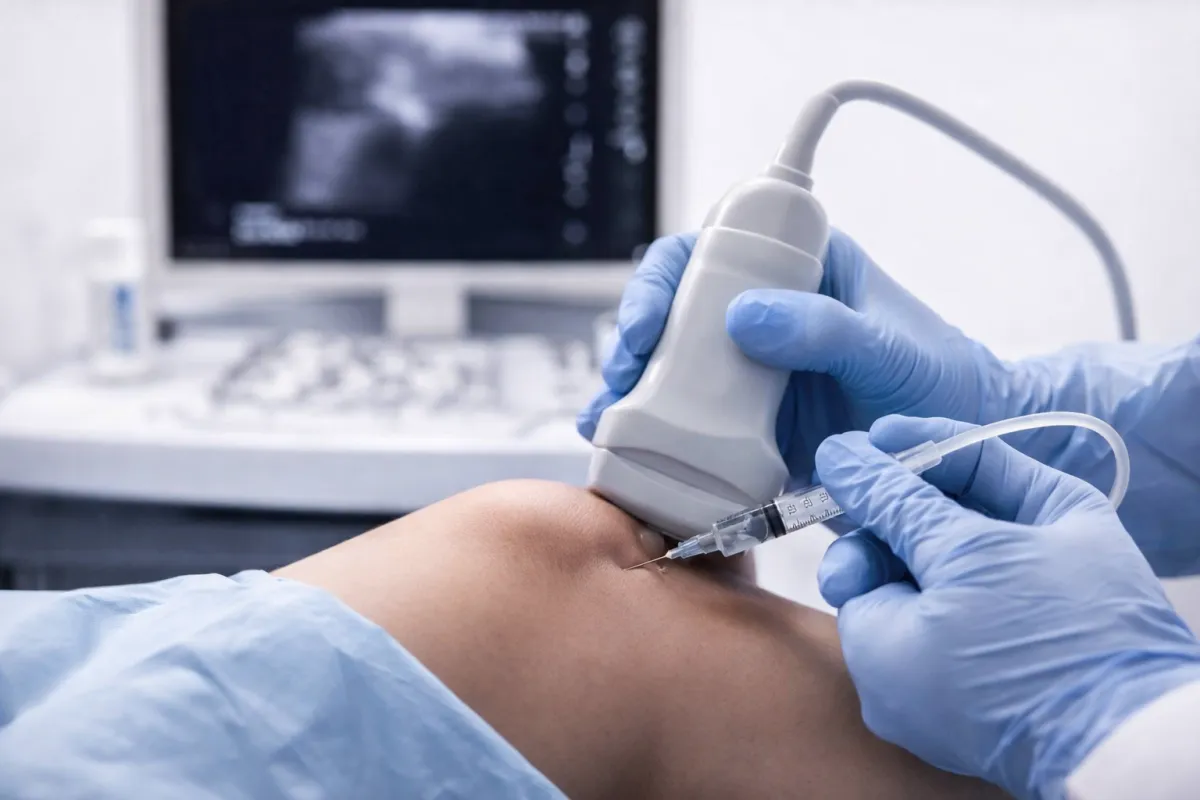
Image-guided precision treatment
Personalized regenerative protocol based on your imaging
Medical Director: Prof. Dr. Bankole A. Johnson • Private & Confidential • Imaging Review Available
Department of Orthopedic Regeneration
A structured regenerative spine program focused on the dominant pain generators—facet joints, discs, paraspinal/
This program is designed for individuals seeking a structured, non-surgical pathway guided by imaging, diagnosis, and precision biologic placement.
Physician-led evaluation and planning
Image-guided precision treatment
Personalized regenerative protocol based on your imaging
Medical Director: Prof. Dr. Bankole A. Johnson • Private & Confidential • Imaging Review Available
Department of Orthopedic Regeneration
Precision Joint Repair™ is a physician-directed regenerative program for patients with joint degeneration, cartilage loss, tendon injury, and mobility-limiting pain.
This program is designed for individuals seeking a structured, non-surgical pathway guided by imaging, diagnosis, and precision biologic placement.
Physician-led evaluation and planning
Image-guided precision treatment
Personalized regenerative protocol based on your imaging
Medical Director: Prof. Dr. Bankole A. Johnson • Private & Confidential • Imaging Review Available
What this program addresses
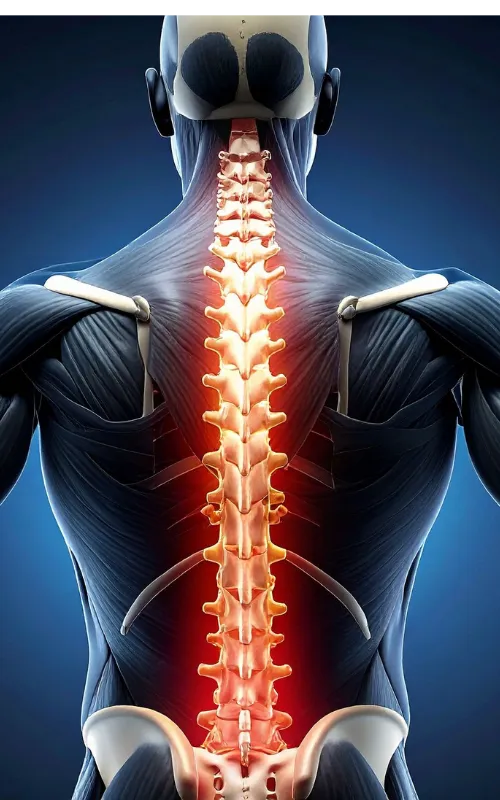
Lumbar spine pain is typically multi-factorial rather than isolated to a single structure. Successful treatment requires identifying and addressing every contributing pain generator.
This program is built to evaluate and treat the full pain pattern — not just one diagnosis.
Spine pain is often multi-factorial:
Facet arthropathy (often worse with extension/rotation)
Disc degeneration/discogenic pain (often worse with flexion/sitting)
Myofascial trigger points and ligamentous pain that coexist with facet/disc pathology
SI joint dysfunction that mimics lumbar/hip pain
What this program addresses
Lumbar spine pain is typically multi-factorial rather than isolated to a single structure. Successful treatment requires identifying and addressing every contributing pain generator.
This program is built to evaluate and treat the full pain pattern — not just one diagnosis.
Spine pain is often multi-factorial:
Facet arthropathy (often worse with extension/rotation)
Disc degeneration/discogenic pain (often worse with flexion/sitting)
Myofascial trigger points and ligamentous pain that coexist with facet/disc pathology
SI joint dysfunction that mimics lumbar/hip pain
Who Precision Spine & Disc Restoration™ Is Designed For...
This program is intended for patients whose back, disc, joint, or nerve-related pain and mobility loss are caused by structural degeneration, instability, or soft tissue injury confirmed by imaging.
Ideal Candidates
Persistent low back pain despite therapy, injections, or medications
MRI or X-ray showing disc degeneration, bulging/herniation, facet arthropathy, or SI joint dysfunction
Patients told they have “degenerative disc disease,” “facet syndrome,” or are considering spine surgery
Pain worsened by sitting, bending, standing, or rotation
Active adults seeking to restore spine stability, mobility, and function
Individuals seeking a non-surgical, physician-guided pathway
Not Appropriate For This Program
Acute spinal infections or inflammatory conditions
Unstable medical conditions requiring hospital care
Traumatic spinal fractures or injuries requiring immediate surgical repair
Patients without imaging or structural spinaldiagnosis
Individuals seeking quick, temporary, or purely pain-masking relief
How the Spine & Disc Restoration™ Process Works
Every patient moves through a structured clinical pathway designed around imaging, diagnosis, precision treatment, and recovery.
Step 1
Record & Imaging Review
You submit your MRI, X-rays, and medical history for physician review to determine if structural spine or disc degeneration is present and appropriate for this program.
Step 2
Physician Evaluation
A detailed evaluation is performed to assess joint function, severity of degeneration, and candidacy for regenerative treatment.
Step 3
Precision Treatment Plan
A personalized plan is created using image-guided biologic placement targeted to the exact damaged structures within the spine or disc.
Step 4
Recovery & Follow-Up
A structured recovery and mobility plan is provided to support healing, restore function, and monitor progress over time.
How Regenerative Care Is Applied Within the Spine
Regenerative treatment is delivered with precision to the exact structures responsible for pain and degeneration.
Image-Guided Precision Placement
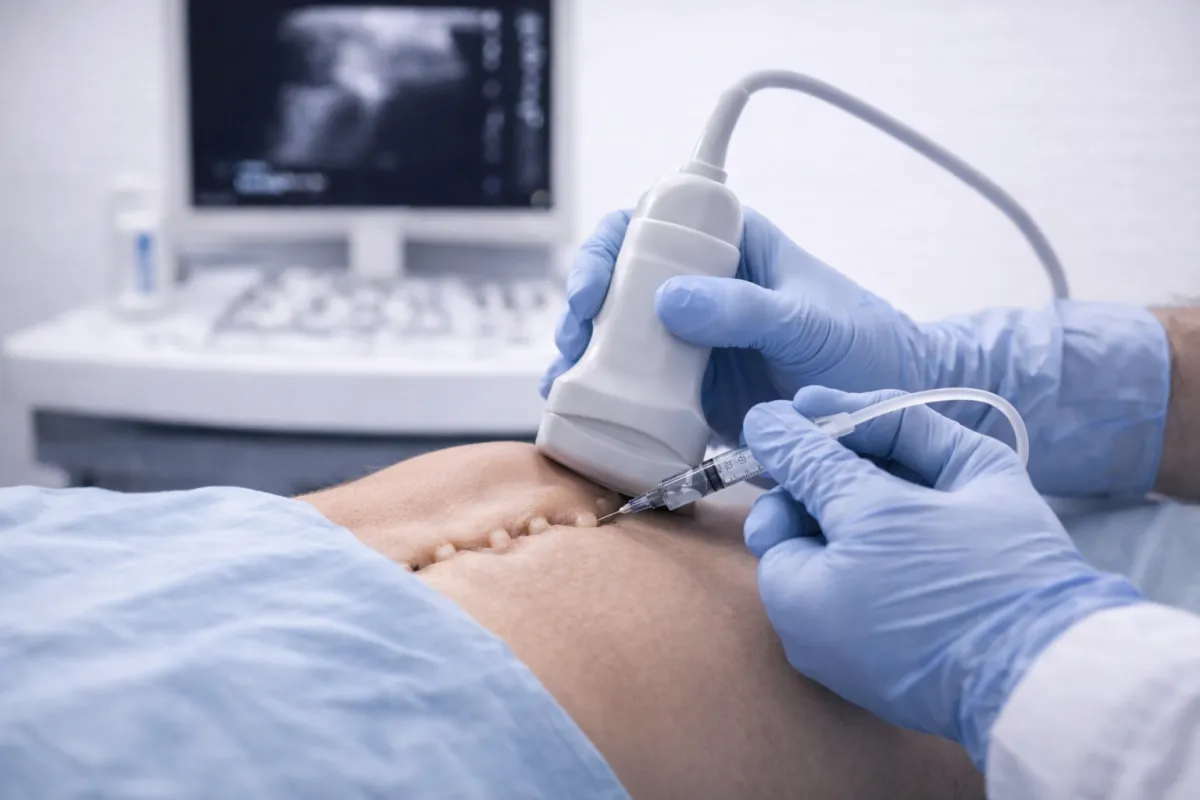
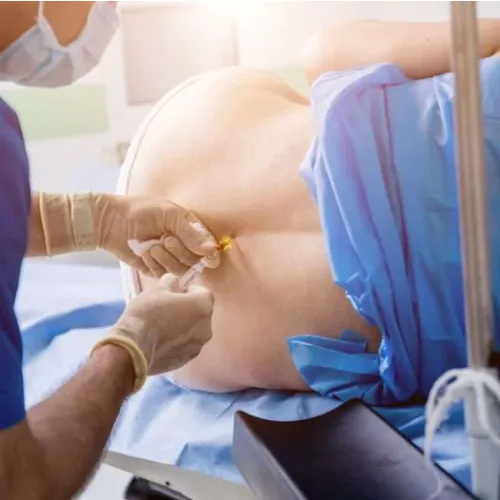
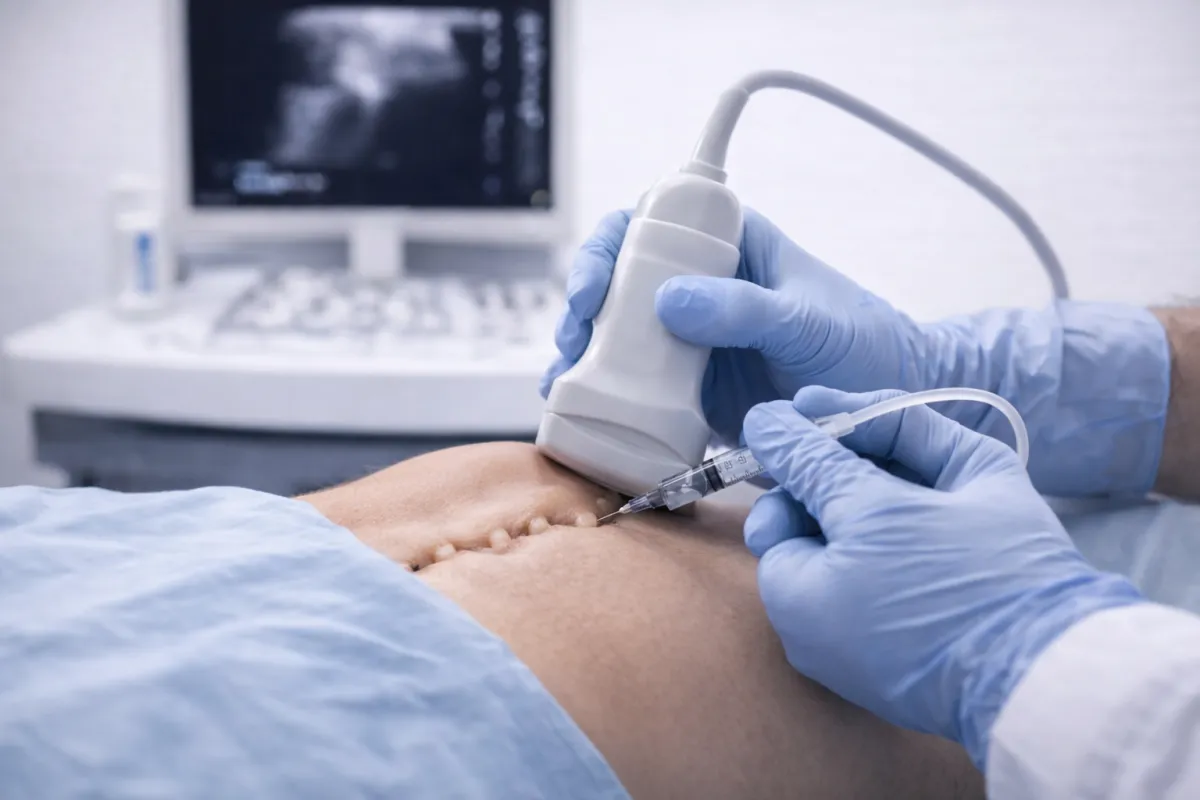
Biologic treatments are not placed blindly into the joint. Ultrasound or fluoroscopic guidance is used to deliver regenerative therapy directly into the damaged cartilage, tendon, or ligament structures responsible for pain and dysfunction.
This ensures accuracy, safety, and effectiveness.
Orthobiologic & Structural Support
Physician-selected regenerative modalities are used to support cartilage, tendon, and ligament recovery while reducing the inflammatory environment within the joint.
This is combined with structured mobility and recovery guidance to restore function over time.
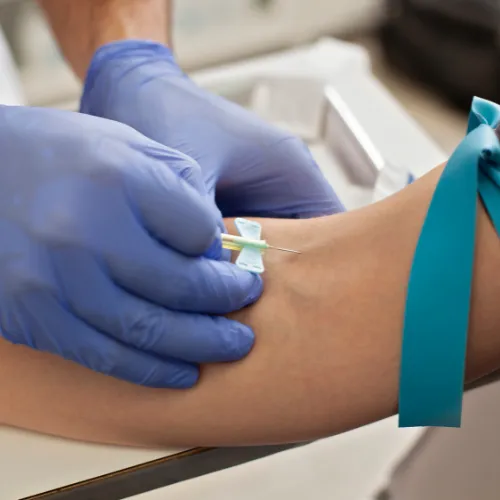
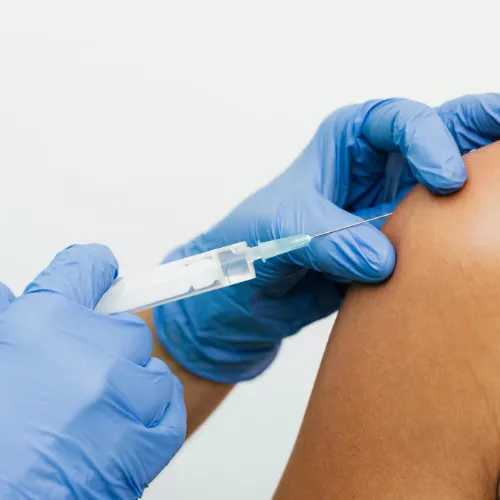
Blood Draw
We begin with a quick and comfortable blood draw performed by a licensed medical professional. This provides the growth factors and plasma needed to create your personalized regenerative solution.
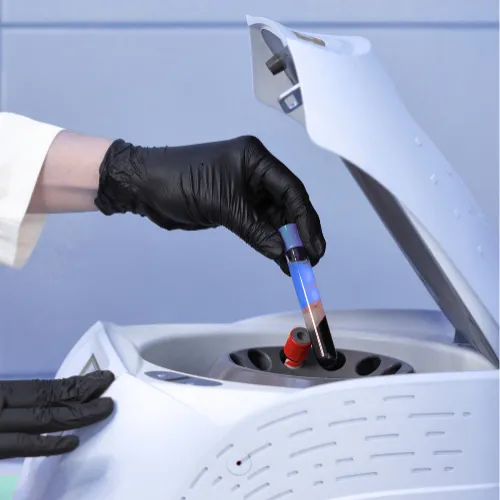
Spin Blood & Combine with Biologic
Your blood is placed into a medical centrifuge to separate the healing components. We then combine the concentrated plasma with advanced biologic material to create a powerful, treatment-ready formulation.
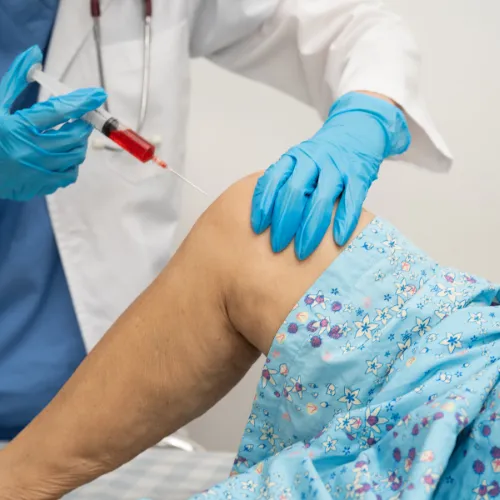
Injection
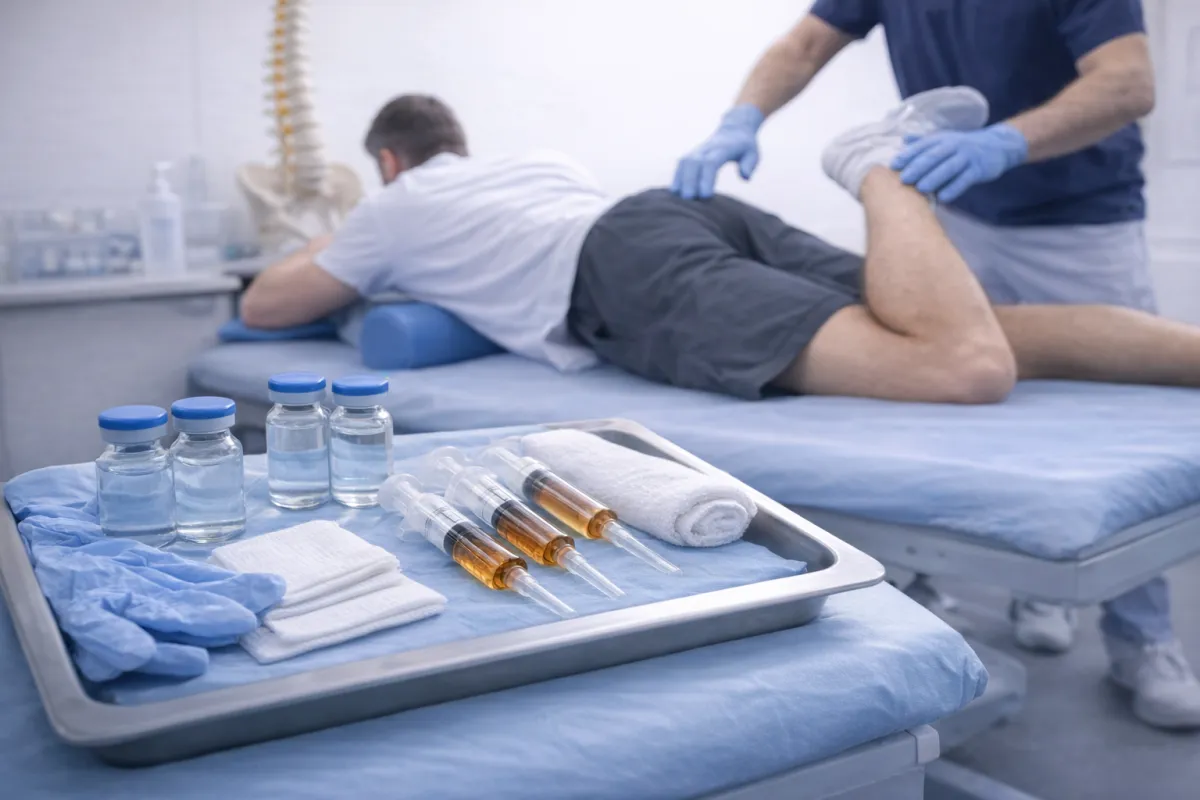
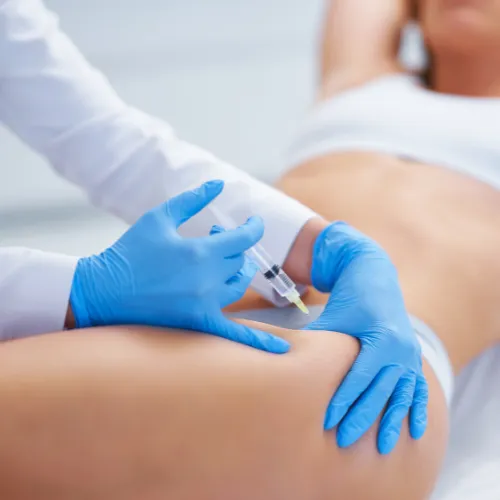
Your customized regenerative blend is injected precisely into the affected joint. This targeted delivery supports tissue repair, reduces inflammation, and promotes long-term healing and mobility.
Preparing the Body for Regenerative Spine Repair
Some patients with chronic spine degeneration also carry a significant systemic inflammatory burden that can interfere with the body’s ability to heal.
Before regenerative treatment is applied to the spine, physician evaluation may determine that the body’s internal environment should first be optimized to improve oxygenation, circulation, and inflammatory balance.
In these cases, systemic preparation protocols may be recommended as part of the overall Precision Spine Repair™ pathway.
Request a Clinical Review
Submit your imaging for physician review to determine candidacy.
FAQ
Spine & Disc Restoration™
Why is preparation important before regenerative spine treatment?
Our regenerative knee treatment is designed for arthritis, cartilage damage, meniscus issues, chronic pain, inflammation, and injuries that haven’t responded to traditional therapies. It helps restore mobility, reduce pain, and support long-term joint health.
What does “systemic preparation” for the spine mean?
Most patients describe the treatment as very tolerable. You may feel slight pressure or a brief pinch during the injection, but the entire process is designed to be quick and comfortable. We also use techniques to minimize discomfort.
How long does the treatment last?
The procedure itself typically takes 30–60 minutes depending on the number of spinal levels treated. Because this is a regenerative approach, the goal is long-term improvement rather than temporary symptom relief.
How soon can I expect results?
Some patients notice reduced pain and improved mobility within the first 1–3 weeks as inflammation decreases. Structural healing and tissue repair continue over several weeks to months as the spine responds to the biologic treatment.
Is there downtime after the procedure?
Downtime is minimal. Most patients return to light daily activity within 24–48 hours. Heavy lifting and strenuous activity are usually limited briefly to allow the spine to begin healing properly.
Is this safer than surgery or cortisone shots?
This approach is minimally invasive and avoids the tissue damage, long recovery, and structural alteration associated with surgery. Unlike cortisone, which can weaken tissues over time, regenerative treatments are designed to support healing of discs, joints, and ligaments.
Regenerative Programs
Services

ABOUT
CONNECT WITH US TODAY


© Copyright 2022. Company Name. All rights reserved.